Therapy Dog Training Northwest Arkansas: 7 Traits We Look For in Future Therapy Dogs
Jun 25, 2026
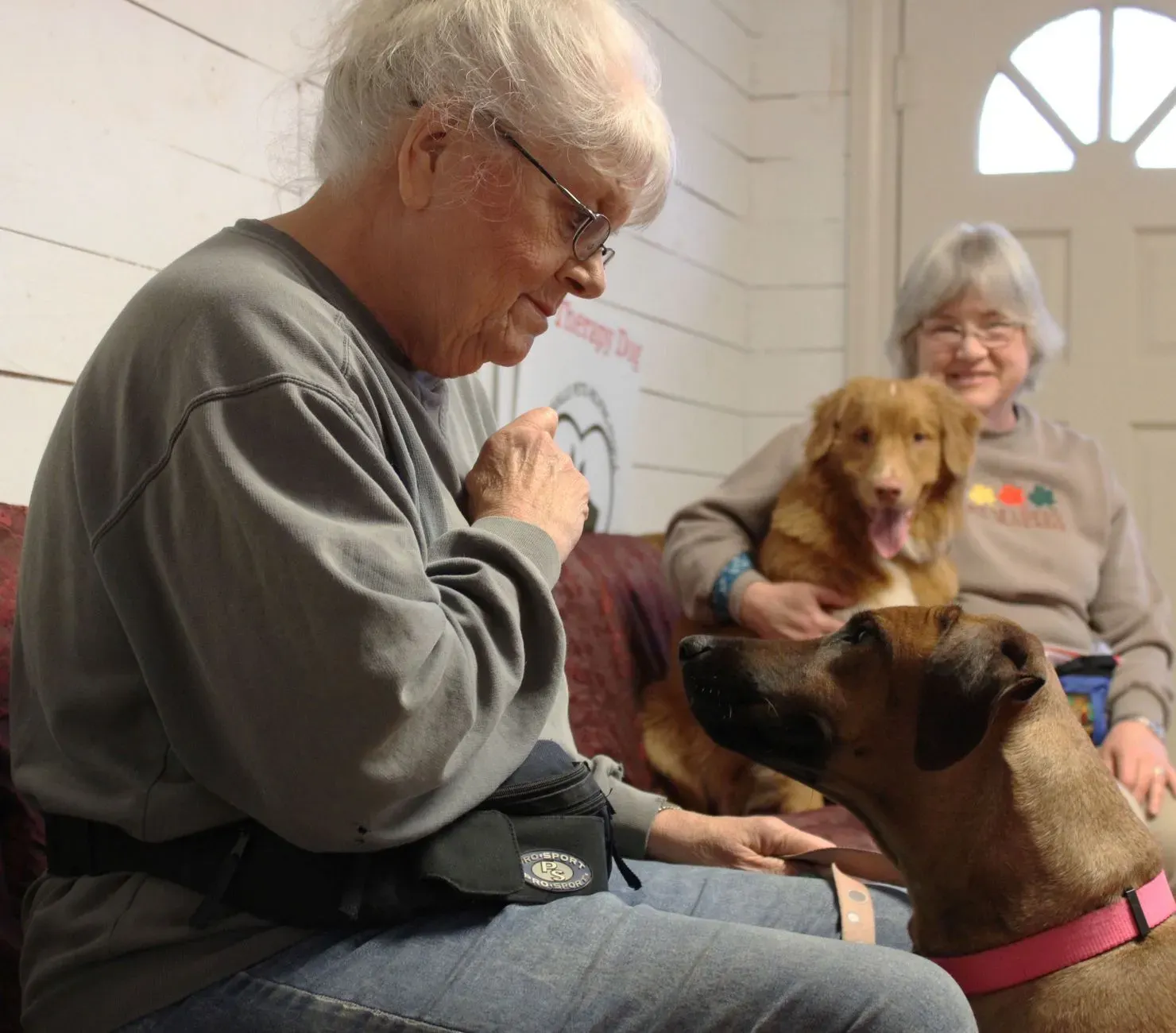
If you have ever watched your dog calmly greet new people and thought, "They would make a great therapy dog," you are not alone. As therapy dog programs continue to grow throughout Northwest Arkansas, more owners are wondering if their dog has what it takes.
The truth is that therapy dogs need much more than a friendly personality. They need confidence, emotional stability, and the ability to remain calm in constantly changing environments. Through Newman's Dog Training's work leading training classes for teams selected for the University of Arkansas Pet Therapy Program, we have seen firsthand the qualities that help dogs become successful therapy partners.
The encouraging news is that many of these skills can be developed over time. Successful therapy dogs are built through the right combination of temperament, training, and real-world experience.
Therapy Dogs Are More Than Friendly Dogs
One of the biggest misconceptions about therapy dog training is that any social dog is automatically a good candidate.
While friendliness is certainly important, therapy dogs regularly enter environments that are unfamiliar and unpredictable. They meet people they have never seen before, work around mobility equipment, experience unexpected noises, and often interact with individuals who need extra patience and understanding.
A dog may absolutely love people but still struggle with these situations. Likewise, a calmer dog that is not interested in greeting everyone may actually become an excellent therapy partner.
Temperament often matters more than obedience alone. Training can build skills, but emotional stability provides the foundation.
1. Confidence Around New People
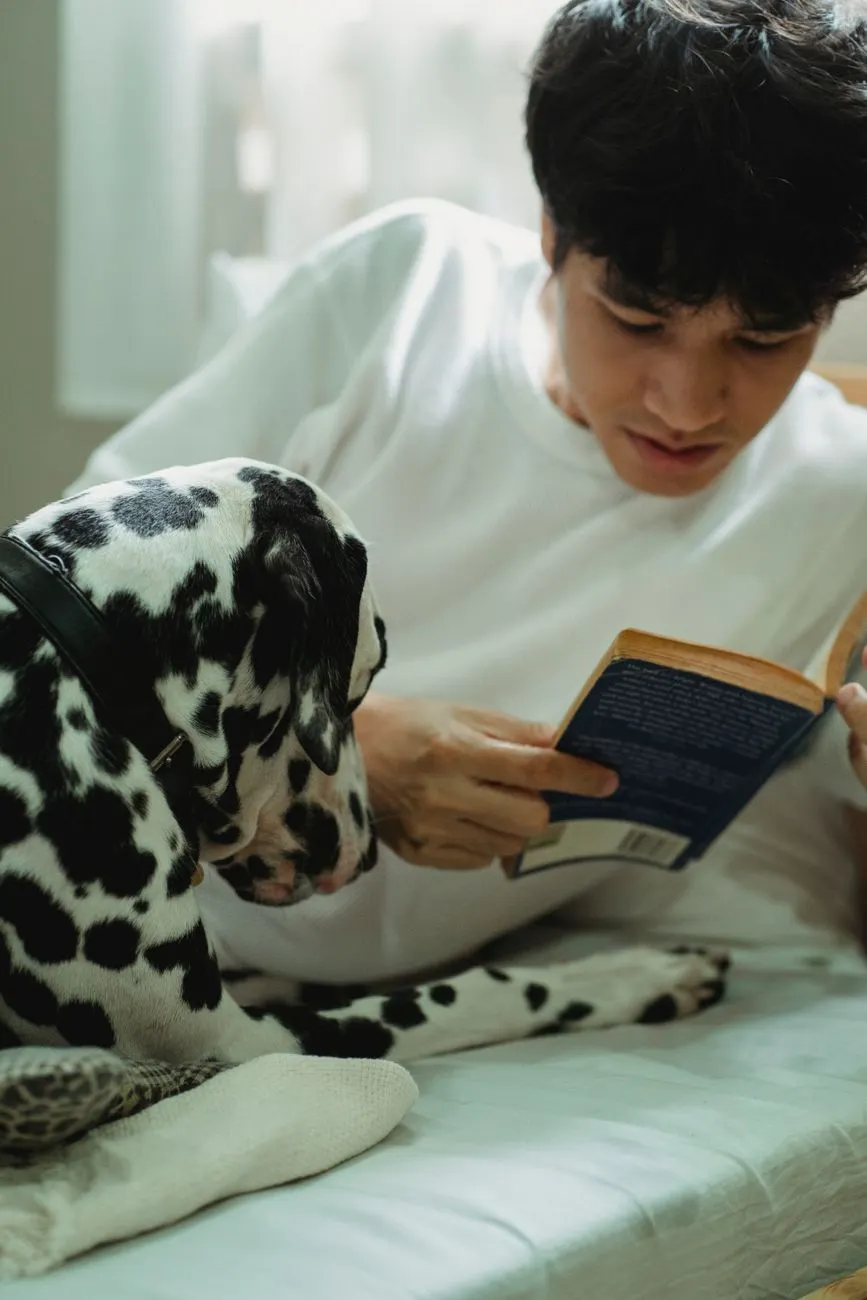
Therapy dogs spend much of their time interacting with strangers.
Strong candidates approach new people with curiosity instead of fear. They remain relaxed during greetings and recover quickly if someone moves unexpectedly or interacts differently than they anticipated.
Confidence does not mean your dog has to love everyone they meet. Instead, it means they can remain comfortable and composed while allowing positive interactions to happen.
Calm confidence creates trust, and trust is essential for therapy work.
2. The Ability to Stay Calm in Busy Environments
Therapy dogs work in places where distractions are everywhere. Schools, universities, hospitals, libraries, and community centers all present unique challenges. There are conversations happening, doors opening and closing, people walking past, and unexpected sounds throughout the day.
Successful therapy dogs notice these things without becoming overwhelmed by them.
Many owners focus heavily on obedience commands, but remaining emotionally steady often matters more than performing a perfect sit or down.
3. Resilience After Something Unexpected Happens
Every therapy dog will eventually encounter something surprising.A dropped book, loud noise, wheelchair, walker, excited child, or sudden movement can startle any dog.
The difference is how quickly they recover.
Strong therapy dogs process the surprise, relax, and return their attention to their handler. They do not stay worried or anxious long after the moment has passed.
This resilience is incredibly valuable because therapy environments are rarely predictable.
4. Reliable Foundation Skills
Therapy dogs do not need flashy tricks, but they do need dependable everyday behaviors.
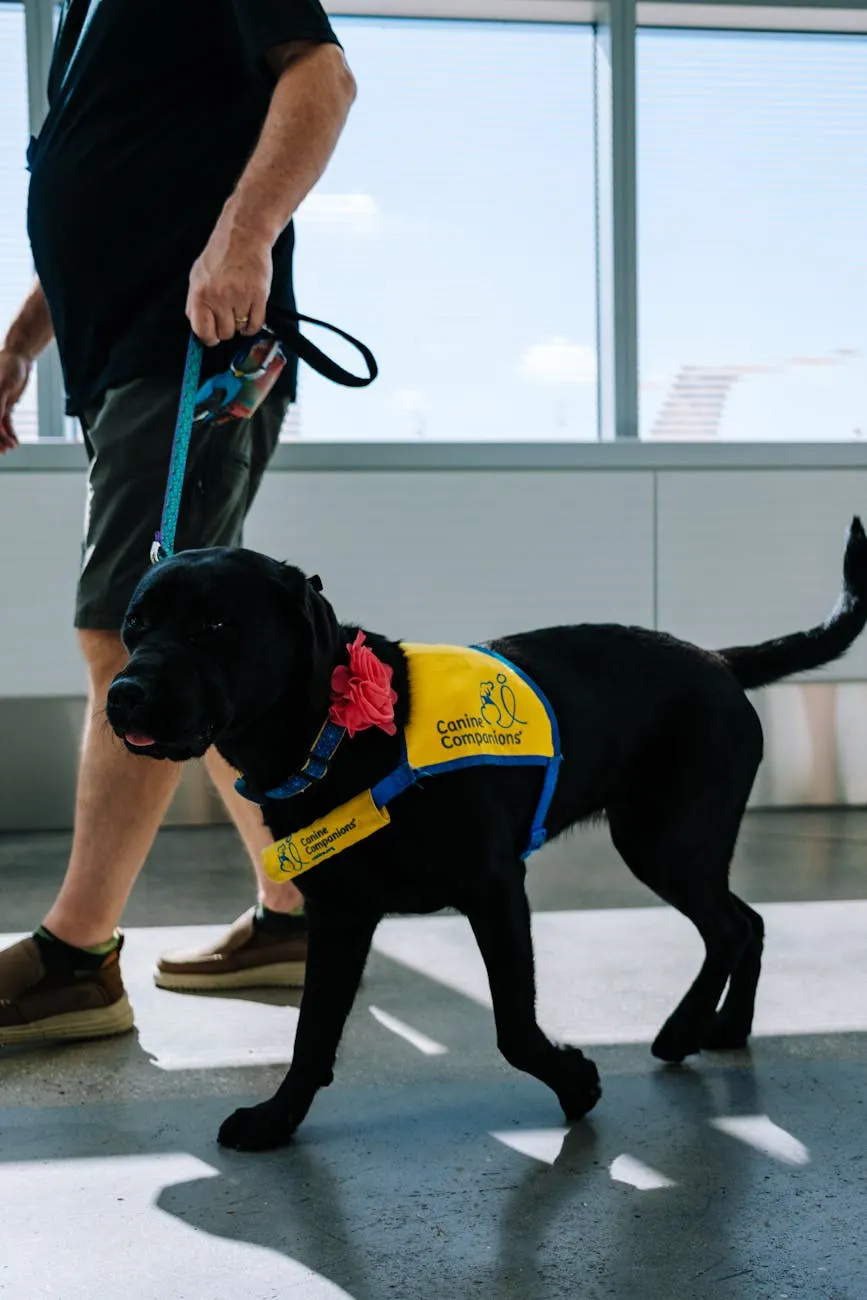
Some of the most important foundation skills include:
- Loose leash walking
- Sit
- Down
- Stay
- Recall
- Focus around distractions
- Calm greetings
These behaviors allow therapy teams to move confidently through public settings while creating positive experiences for everyone involved.
The goal is not perfection. The goal is predictable behavior that people can depend on.
5. A Genuine Enjoyment of People
Therapy work should be enjoyable for the dog as well as the people they visit.
Dogs that naturally enjoy calm interaction with people often perform better than dogs who simply tolerate attention.
The best therapy dogs appear relaxed, engaged, and comfortable during visits. They are not forced into interactions, and they are not overwhelmed by them.
A happy therapy dog creates better experiences for everyone they meet.
6. Comfort With Gentle Handling
People interact with therapy dogs differently than family members do. Someone may pet them awkwardly, hug them, touch their ears, or approach from an unusual angle. Children and individuals with mobility challenges may also move differently than your dog is used to.
Training helps prepare dogs for these situations, but dogs who naturally tolerate gentle handling tend to adapt more easily. The goal is creating safe, positive interactions built on trust and confidence.
7. A Strong Partnership With Their Handler
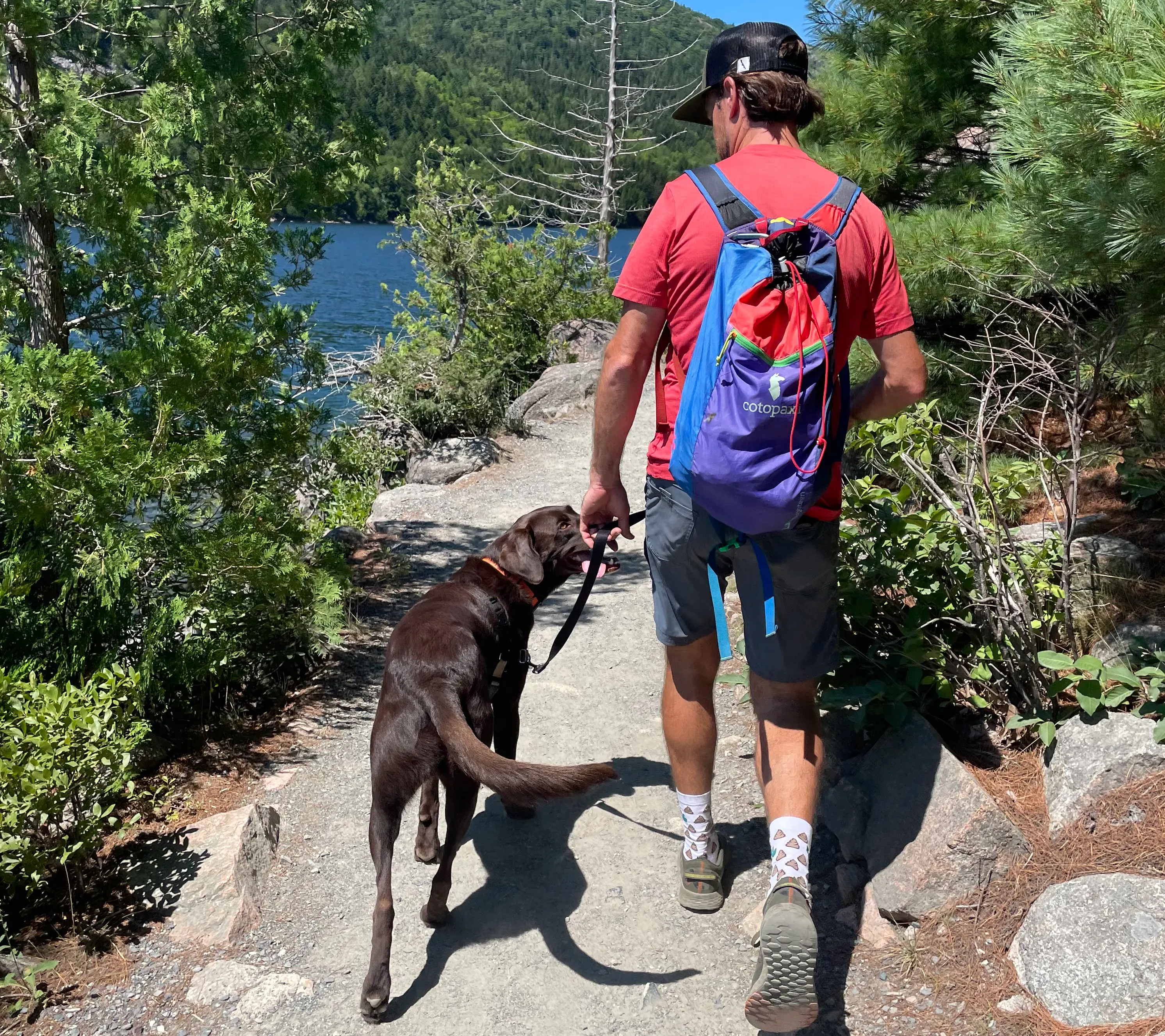
Great therapy dogs are never working alone. Successful teams communicate constantly. Dogs regularly check in with their handler, respond to guidance, and trust their person when something unfamiliar happens.
This partnership becomes even more important when distractions increase or new environments create uncertainty.
Ultimately, the relationship between the dog and handler is what allows therapy work to be successful.
Building Therapy Dogs in Northwest Arkansas
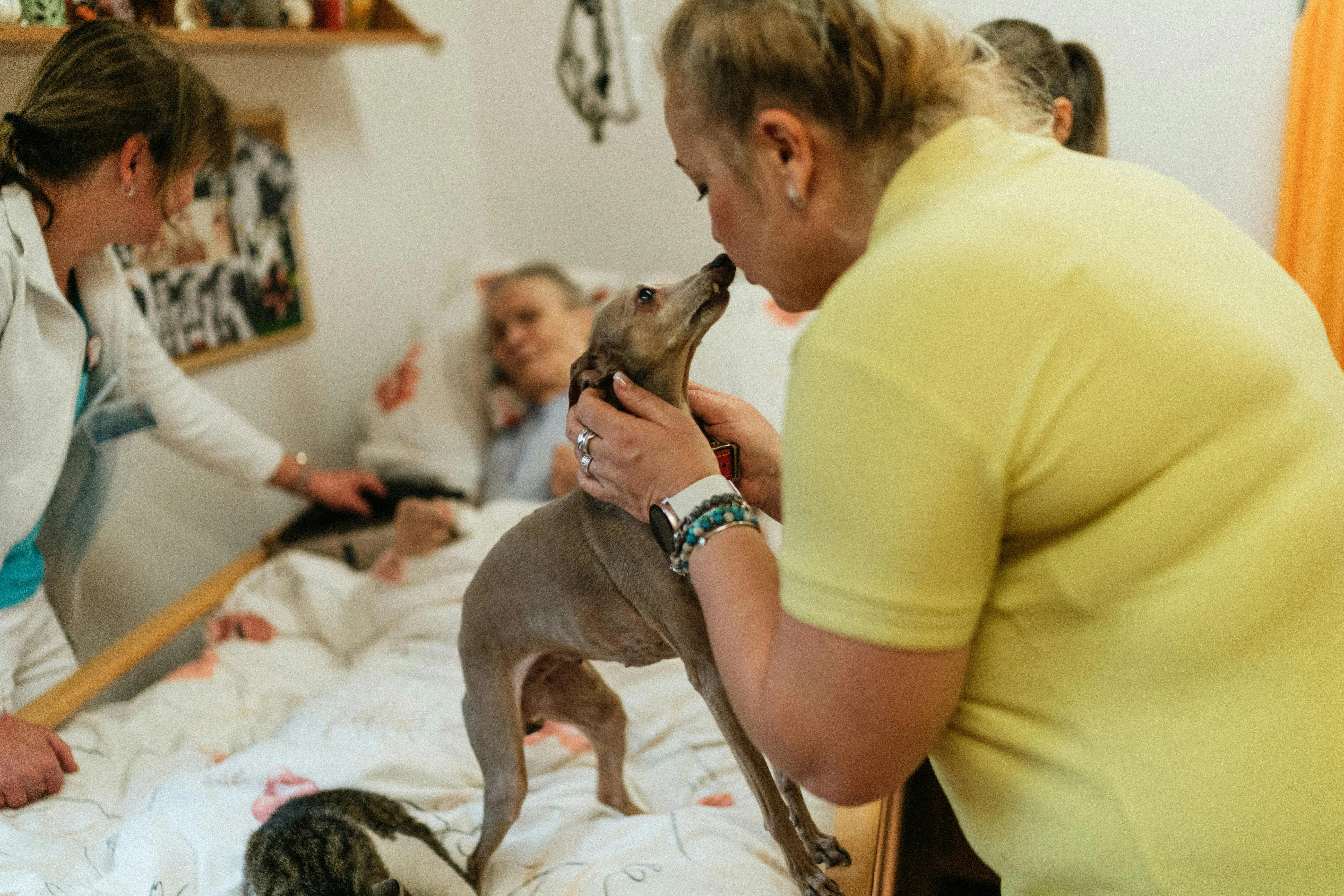
Therapy dog opportunities continue to grow throughout Northwest Arkansas, creating exciting opportunities for both dogs and their owners.
Jena Newman, founder and head trainer of Newman's Dog Training, currently leads the training classes for selected teams participating in the University of Arkansas Pet Therapy Program. Working alongside these future therapy teams has reinforced something we have believed for years: successful therapy dogs are developed through thoughtful training, confidence building, and positive experiences in the real world.
You can learn more about the University of Arkansas Pet Therapy Program here.
University of Arkansas Pet Therapy Program Article
If you are interested in beginning your own journey, our free Dog Training Plan is a great place to start.
You can also learn more about our therapy dog and private training services in Northwest Arkansas.
Northwest Arkansas Dog Training Services
Looking Toward the Future
One of the most exciting parts of this program is seeing the growing interest in therapy dogs throughout Northwest Arkansas.
As more schools, organizations, and community programs recognize the value therapy dogs provide, we hope to see similar opportunities expand into younger school settings across the region. Helping students build confidence, reduce stress, and experience positive interactions with well-trained therapy dogs has tremendous potential.
This is only the beginning of what therapy dogs can accomplish in Northwest Arkansas.
Your Takeaway Treat
Not every dog is meant to become a therapy dog, and that is perfectly okay. The dogs that succeed tend to share common qualities like confidence, resilience, emotional stability, and a strong relationship with their handler.
The encouraging part is that many of these qualities can be strengthened through thoughtful, positive training.
If becoming a therapy team is one of your goals, start by building a solid foundation and exposing your dog to positive real-world experiences. Great therapy dogs are not created overnight, but with patience, consistency, and the right guidance, many dogs can grow into incredible partners who make a lasting difference in the lives of others.
We proudly offer dog training services in both Kansas City and Northwest Arkansas, including Bentonville, Fayetteville, and surrounding areas.
Step up your dog training game with access to our entire course library and special
rates for one-on-one sessions. Unlock your potential now!
Save More, Learn More, Achieve More!
Please contact us if you have any questions on these tips, [email protected]
Also, follow us on Instagram and Facebook.